


Have you ever looked at something and suddenly felt like you are seeing two images instead of one? This condition is called double vision. In medical terms, doctors call it diplopia.
Double vision can be temporary in some cases, but sometimes it may also signal an underlying eye or health problem. That is why understanding the symptoms, causes, and treatment of double vision is important.
What is double vision?
Double vision, which is also called diplopia, is a condition where a person sees two images of the same object. The images may appear side by side, one above the other, or slightly tilted.
Diplopia is not always just an eyesight problem. Many times, it can be a sign of an underlying issue related to the eye muscles, nerves, or even the brain.
Double vision can affect one eye (monocular diplopia) or both eyes (binocular diplopia).
- Monocular double vision â The problem remains even if one eye is closed.
- Binocular double vision -The double image disappears when one eye is closed.
Doctors usually check this first because it helps them understand the actual cause of the problem.
Common symptoms of double vision
People experiencing double vision may notice several symptoms besides seeing two images.
Some common symptoms include:
- Seeing two images of one object
- Blurred vision
- Difficulty focusing on things
- Eye strain headaches
- Feeling dizzy or nauseous
- Trouble reading or driving
Common causes of Diplopia
1. Refractive error or wrong glasses power
This is the most common and usually harmless cause seen in OPD. Using the wrong glasses power, an old prescription, or wearing glasses without proper eye testing can cause eye strain and temporary double vision. This often happens after long screen work or when the eyes are tired. A proper eye checkup can easily fix this problem.
2. Dry eyes
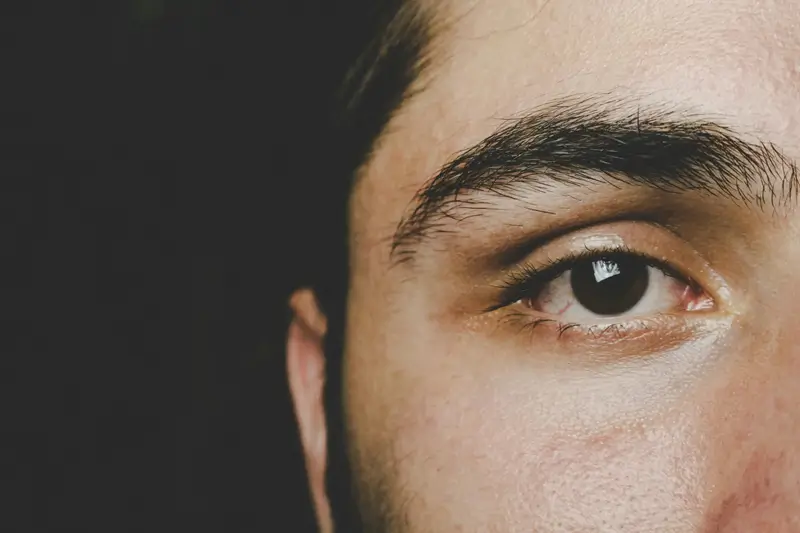
In severe dry eye cases, the surface of the cornea does not stay smooth, which can make images look split or shadowed. Because of too much screen time, AC exposure, and less blinking, this problem has become very common. In many cases, lubricating eye drops and simple lifestyle changes can improve the condition.
3. Extraocular muscle or nerve palsy
The muscles that move our eyes are controlled by certain nerves called the 3rd, 4th, and 6th cranial nerves. If these nerves become weak, one eye may not coordinate properly with the other eye, which can lead to double vision. This condition is often seen after high blood pressure, diabetes, viral infections, or sometimes a minor stroke. The good news is that with timely treatment, most cases recover well.
4. Strabismus (Eye misalignment)
When both eyes do not align in the same direction, the brain receives two different images. This can cause double vision. It can occur in both children and adults, and it often becomes more noticeable when a person is tired. This condition can be managed with glasses, prism lenses, or sometimes surgery.
5. Thyroid eye disease
In autoimmune thyroid-related eye disease, the eye muscles can become swollen, which may cause the eyes to bulge slightly forward. Because of this, vertical double vision is commonly seen. With early diagnosis and proper treatment, the condition can often be controlled.
Some less common but serious causes
6. Myasthenia gravis
This condition can cause variable double vision, which often gets worse by the end of the day.
7. Multiple sclerosis
Damage to the nerves in this condition can lead to double vision along with eye pain and problems with color vision.
8. Brain tumour or brain lesion
Sometimes, double vision may appear suddenly along with headache, vomiting, or loss of balance, which may indicate a serious brain-related problem.
Because of this, sudden double vision should never be ignored, whether it is painful or not. In some cases, the cause may be simple, such as dry eyes or wrong glasses, but sometimes it can be the first sign of a serious neurological condition.
How is double vision diagnosed?
If someone is experiencing double vision, an eye specialist will perform a detailed eye examination.
The doctor may check:
- Eye movement
- Eye alignment
- Vision clarity
- Eye pressure
- Nerve function
In some situations, doctors may also recommend tests such as blood tests, MRI, or CT scans to identify the underlying cause.
Conclusion
Double vision may seem a small vision problem but it can sometimes be a reason for a underlying eye or health conditions. So it is better understand its symptoms, causes and help people to take a appropriate decision. If you or your loved ones ever notice sudden double vision, blurred images, or difficulty focusing then visit Dr. Jawahar Lal Rohatgi Memorial Eye Hospital in Kanpur. Our experienced ophthalmologists use modern diagnostic technology to evaluate vision problems and provide the right treatment for different eye conditions. So, donât wait now and schedule a consultation with an eye specialist and get your eyes checked in time.

 Call Us Now
Leave a Reply