
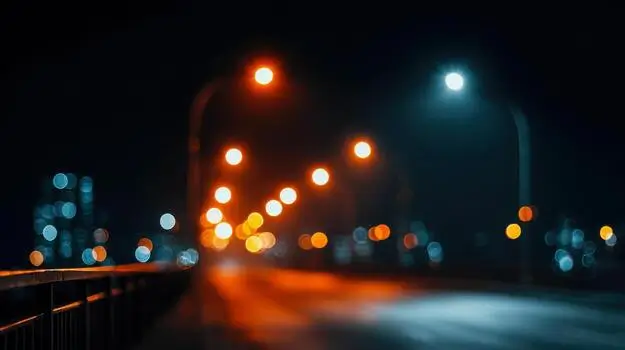
If road signs or traffic lights look unclear while you are driving at night, or if you have trouble seeing in dim places like restaurants, cafes, or dark movie theatres, you might have something called night blindness. It is officially known as nyctalopia.
Night blindness is not a disease. It is a symptom that shows there may be a problem with your eyes. Many people ignore it because they think it is normal or just happens because of tiredness or age.
There are many reasons why someone may have trouble seeing in the dark. Common causes include near-sightedness, certain medications, cataracts, and other eye conditions.
In this blog, we will learn about night blindness, why night blindness happens, what its symptoms are, and how it can be prevented.
What is night blindness?
Night blindness means having trouble seeing in low light or darkness. It does not mean that you cannot see at all at night. It simply means your eyes find it hard to adjust when the lights are low. In everyday language, many people also call night blindness âratondhi.â You may hear this term often, especially in India.
People with night blindness usually see fine during the day, but at night things can start looking blurry or unclear. Driving after sunset, entering a dark room, or sitting in a dim movie theatre may feel uncomfortable. Because the change happens slowly, many people adjust without realizing it. They avoid night driving or depend on bright lights.
Common causes of night blindness
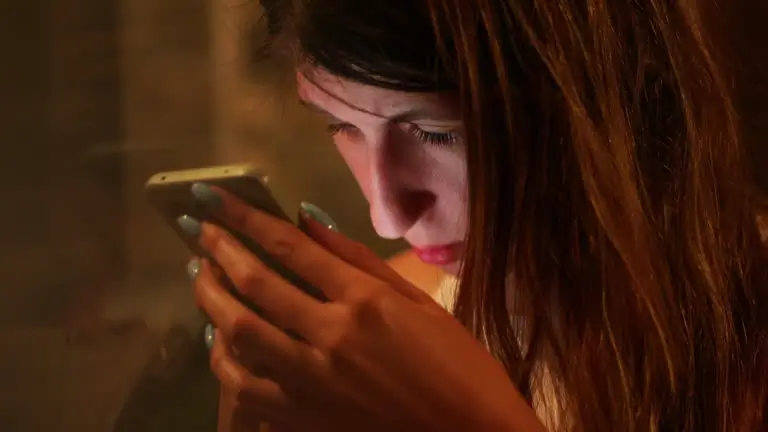
Night blindness has many reasons behind it. There are many common causes that can make it hard for your eyes to see properly in the dark.
1. Poor diet and vitamin A deficiency
Vitamin A is very important for good night vision. It helps your eyes adjust when light changes from bright to dark.
If your body does not get enough Vitamin A from food, your night vision can become weak. This is one of the most common causes of night blindness, especially in people who do not eat a balanced diet.
2. Eye conditions
Some eye problems can also make it difficult to see at night. These include myopia (near-sightedness), cataract, glaucoma, and retinitis pigmentosa.
In most of these conditions, vision gets worse slowly, so people often do not notice the change at first. Because the problem does not happen suddenly, it is easy to ignore. Seeing lights as too bright, having trouble with glare, or feeling confused in dark places can all be early warning signs that something is affecting your night vision.
3. Medical conditions
Some medical and health problems can directly affect vision. If you are dealing with diabetes and your sugar levels stay high, it can slowly damage your eyes. Then there are liver problems, because the liver helps store Vitamin A, which we discussed is important for vision.
Also, if you are not eating healthy food, your body may not absorb nutrients properly, and this can affect eye health.
4. Age and daily habits
As people get older, it is common for night vision to become weaker. Moreover, if screen time is high, lighting is poor, and the eyes do not get enough rest, the problem of night blindness becomes more noticeable.
Symptoms you may notice for night blindness
Night blindness usually does not happen suddenly. The symptoms start slowly, which is why many people do not notice them at first. Here are some common signs to look out for:
Hard to see in the dark: You may find it difficult to see in the dark or in places with very little light. Simple situations like walking in a dim room or sitting in a low-light cafe can feel uncomfortable.
Slow adjustment to low light: When you move from a bright place to a darker one, your eyes may take more time than usual to adjust.
Problems while driving at night: For many people, driving at night can be stressful. Road signs, traffic lights, or people crossing the road may not look clear.
Bright lights may feel uncomfortable: When you are driving or passing from a road headlights from other vehicles makes harder for you to focus. You may notice glare or halos around lights.
Conclusion
Night blindness may seem like a small problem in the starting phase but it should not be ignored. It is actually an early sign that your eyes need attention. Worry not. It can be prevented by following simple steps like eating a balanced diet, reducing screen time, and getting regular eye check-ups. These can help protect your night vision.
If you notice difficulty seeing in low light or while driving at night, it is best to get your eyes checked on time. Dr. Jawahar Lal Rohatgi Memorial Eye Hospital in Kanpur offers expert eye care and proper guidance to help identify the cause and manage night blindness effectively.
 Call Us Now
Leave a Reply