
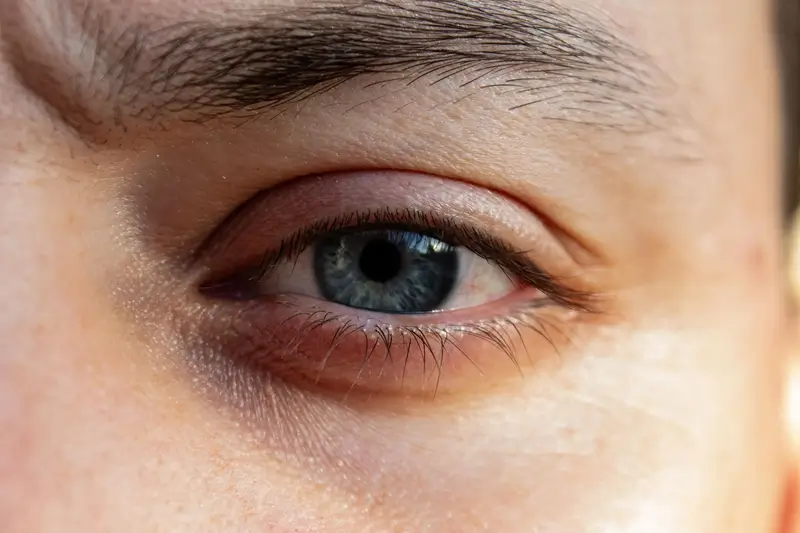
Many people believe that disorders of the Thyroid impact weight gain or loss, energy levels, and metabolism. Yet sometimes, a Thyroid issue may influence our eyesight as well, which is commonly referred to as Thyroid eye disease. It can cause symptoms ranging from mild eye irritation to serious vision problems if not treated at the right time.
At JLR Eye Hospital, there are quite a few patients coming in with the assumption that the irritation experienced by their eyes is caused either by allergies, lack of sleep, or extended computer use. However, when symptoms such as eye bulging, double vision, or constant dryness appear, the underlying cause may be related to the Thyroid gland.
The good news is that with early diagnosis and proper care, most people can manage the condition effectively and reduce the risk of long-term complications.
What is Thyroid eye disease?
Many people are surprised to learn that a Thyroid problem can affect the eyes as well. In Thyroid eye disease, the bodyâs immune system starts attacking the tissues around the eyes by mistake. As a result, the muscles and tissues behind the eyes become swollen and inflamed.
This condition is most often seen in people with Gravesâ disease, but not everyone with a Thyroid disorder will develop eye problems. Some people may only experience mild symptoms like dryness or irritation, while others may notice bulging eyes, double vision, or changes in their eyesight. The severity can be different for every person.
Can Thyroid eye disease affect vision?
Yes, and this is the part that should not be ignored. In the beginning, the changes are often mild. You may notice dryness, irritation, or a feeling that there is something stuck in your eye. Some people feel pressure around the eyes, especially in the morning.
As the condition progresses, the swelling can affect the eye muscles. When those muscles donât work together properly, double vision may develop.
In severe cases, the swelling can put pressure on the optic nerve, which is responsible for carrying visual information from the eye to the brain. If this pressure is not treated in time, vision loss can occur.
Common Thyroid eye disease symptoms

Signs of TED often tend to show up gradually, which is the reason behind people ignoring them initially.
Here are some of the common Thyroid eye disease symptoms:
- Irritation or redness
- Gritty feeling in the eyes
- Light sensitivity
- Swollen eyelids
- Pain or pressure in the eye area
- Bulging eyes
- Trouble moving eyes easily
- Double vision
- Blurry vision
The symptoms are not always the same for everyone. In some people, the symptoms are relatively mild, whereas in others, their eyes start changing.
If these Thyroid eye disease symptoms continue for several weeks or seem to be getting worse, it is a good idea to consult an eye specialist.
Why does Thyroid eye disease happen?
The exact reason is not fully understood, but doctors know that it is related to an abnormal immune system response.
Instead of protecting the body, the immune system attacks healthy tissues around the eyes. This causes inflammation, swelling, and changes in the muscles that control eye movement.
People with Gravesâ disease have a higher risk of developing Thyroid eye disease, but the eye condition can sometimes appear before Thyroid problems are diagnosed or even after Thyroid levels have been treated.
Who is at higher risk?
Smoking
Smoking is one of the biggest risk factors. Studies have shown that smokers are more likely to develop severe symptoms and often respond less effectively to treatment.
Thyroid disorders
People with Gravesâ disease are at the highest risk, although TED can occur with other Thyroid conditions as well.
Family history
A family history of autoimmune disorders may increase the chances of developing the condition.
Age and gender
Women are affected more often than men. However, when men develop TED, the symptoms can sometimes be more severe.
How is Thyroid eye disease diagnosed?
It is quite impossible to diagnose Thyroid eye disease based on one single examination only. During the examination, the doctor may look for signs such as changes in vision, eye movement problems, swelling, or eye bulging.
After that, an examination of the patientâs eyes will be conducted to check their movements and for any inflammation or puffiness. At times, imaging tests like a CT scan or MRI are recommended. Such tests help diagnose Thyroid eye disease, while at the same time showing the extent of its development and the necessity for further treatment.
Thyroid eye disease treatment options
One of the most common concerns patients have after diagnosis is whether the condition can be treated. The answer is yes, but the treatment approach depends on how severe the symptoms are and whether the disease is still active.
Lubricating eye drops
Many patients benefit from artificial tears that help reduce dryness, irritation, and discomfort.
Managing Thyroid levels
Controlling the level of Thyroid hormones is another important aspect of treatment.
Lifestyle changes
Doctors also strongly advise patients to stop smoking. Smoking has been linked to more severe Thyroid eye disease and can make treatment less effective
Medications
When symptoms become more noticeable or start affecting vision, medications may be recommended to reduce inflammation and control the immune response causing the problem.
Surgery
In advanced situations, surgery may be recommended to relieve pressure around the eyes, improve eye alignment, or correct eyelid problems.
The right Thyroid eye disease treatment plan varies from one patient to another, which is why a personalized evaluation is important.
Why early diagnosis matters
One of the biggest mistakes patients make is waiting until their symptoms become severe.
The problem is that Thyroid eye disease doesnât always stay mild. We have seen patients who waited for months hoping the discomfort would go away on its own, only to find that their symptoms had gradually become worse.
Early treatment can help control inflammation, improve comfort, and reduce the risk of vision-related complications. It also allows doctors to monitor changes before they start affecting everyday activities such as reading, driving, or working.
Many patients with Thyroid eye disease symptoms achieve better outcomes when the condition is diagnosed during its early stages.
Final thoughts
Thyroid eye disease is an eye irritation problem. While some people experience mild symptoms, others may develop vision-related complications if the condition is left untreated. Knowing the warning signs, paying attention to changes in your eyes, and seeking medical advice early can cure it super fast.
If you notice persistent dryness, eye bulging, double vision, or other Thyroid eye disease symptoms, an evaluation by an experienced eye specialist can help you figure out the cause.
At JLR Eye Hospital, early diagnosis and timely care remain the key to protecting vision and maintaining long-term eye health.
 Call Us Now
Leave a Reply