


Soreness behind the eyes can be more than a nuisance â it can interfere with your everyday activities and signal underlying issues. Whether from digital eye strain, sinus pressure, or something more serious, knowing the cause is key.
The good news? And most cases can be treated with simple lifestyle adjustments and the right medications. In this guide, weâll examine the most common causes of soreness behind the eyes and provide expert-backed tips for relieving discomfort to keep your vision clear and comfortable.
Eye Strain from Screens and Reading
 Too much screen time and reading in dim light can cause issues of sore behind the eyes. Digital eye strain leads to dryness, fatigue and discomfort. Itâs easy to overlook how much screen time affects our eyes, particularly during remote work periods.
Therefore, frequent breaks, adjusting the brightness of your screen when possible (also, considering your environment) and incorporating artificial tears can relieve strain and avoid long-lasting damage to your vision.
Sinus Infections and Pressure Buildup
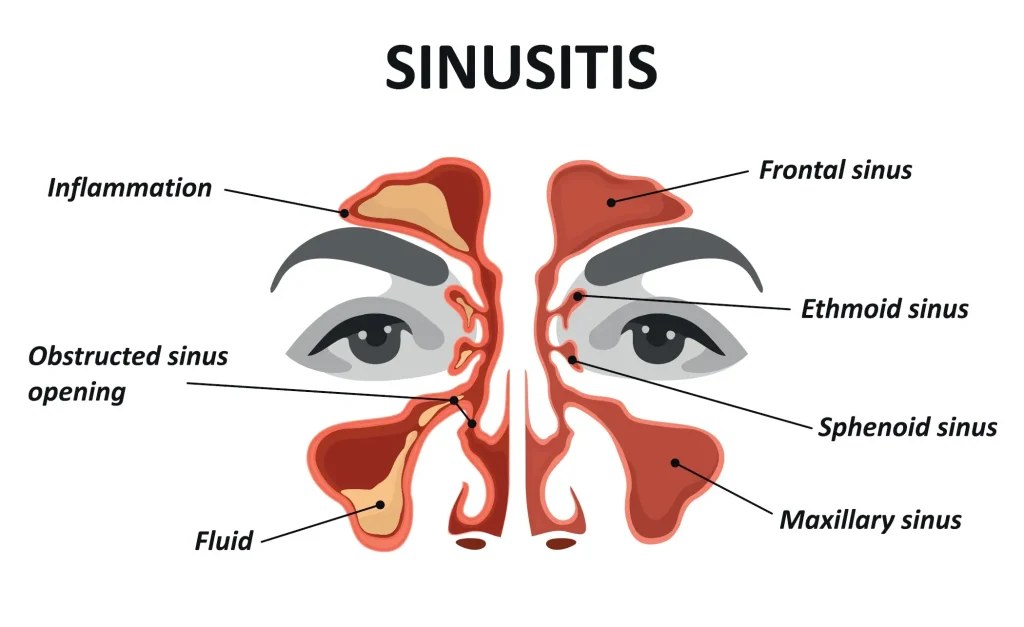 Sinusitis causes the nasal passages to become inflamed, so pressure builds around the eyes. This can lead to pain behind the eyes, along with congestion, headaches andâfacial pain. Steam inhalation, nasal sprays and hydration can help manage sinus infections and make you feel less uncomfortable.
Dry Eyes and Inadequate Tear Production
Your eyes can get irritated and sore if your tears donât produce enough. Long periods of screen time and environmental factors can exacerbate dryness. Lubricating eye drops, remaining well-hydrated, and avoiding windy and air-conditioned places will help keep eyes comfortable.
Migraines and Cluster Headaches
Severe headaches like migraines and cluster headaches can cause pain that radiates sore behind the eyes. Symptoms may include sensitivity to light, nausea and blurred vision. Controlling triggers such as dehydration, stress, or poor sleep can help prevent soreness behind the eyes from headaches.
Allergies and Eye Irritation
Seasonal allergies cause red, pink, burning, itchy, and sore eyes the behind. These symptoms are often triggered by pollen, dust and pet dander. Antihistamines, allergy-proofing your home and applying cold compresses can ease allergic symptoms and eye irritation.
Eye Infections and Inflammation
Common infections that cause blister eye pain include conjunctivitis (pink eye), Inflammation inside eyeâand optic neuritis. Symptoms can be swelling, redness and sensitivity to light. Without treatment, these infections can become increasingly aggressive, so the sooner you seek medical care, the better it is for your overall eye health.
Intraocular Pressure and Glaucoma
Glaucoma is a disorder that elevates intraocular pressure and can cause loss of sight. The issue of sore behind the eyes can be one of its early symptoms. Routine eye exam measures can identify glaucoma early and avert serious complications with early detection.
Effective Ways to Reduce Soreness Behind the Eyes
Sore behind the eyes is a common issue among people and can lead to serious problems in the long run. However, there are several ways to reduce its effects, which you can follow. These are as follows:
- Use Warm or Cold Compresses
Heat increases circulation, while cold decreases inflammation and puffiness. Switching between the two can calm irritation and ease discomfort.
- Follow the 20-20-20 Rule
To avoid digital eye strain, look away from your device every 20 minutes, focus on an object 20 feet away for 20 seconds, and blink frequently to keep your eyes moist.
- Drink Plenty Of Water And Keep Your Eyes Moistened
Drinking plenty of water and using lubricating eye drops will help keep your eyes from drying out. Cutting back on caffeine and alcohol consumption also helps keep the eyes moist and prevent sore behind the eyes.
- Turn Off Unnecessary Lights
Avoid glare by adjusting screen brightness, using anti-glare filters, and proper lighting while working and reading.
- Rest Your Eyes Enough To Be Healed
Lack of sleep makes sore behind the eyes worse. Get 7-8 hours of sleep per night to minimise soreness and identify your eyes.
Preventive Measures for Long-Term Eye Health
Besides reducing the effect of sore behind the eyes, you must try to prevent it altogether. Hereâs how you can do it:
- Schedule Regular Eye Exams
Comprehensive eye exams can reveal underlying concerns. Detecting potential issues before they exacerbate can avoid the circumstances that lead to the issue of sore behind the eyes and support the best possible overall sight health.
- Wear Protective Eyewear
Digital screen use with blue light-filtering glasses can help with eye strain. UV protection sunglasses distance your eyes from these harmful rays and their uncertain long-term effects.
- Follow a Nutrient-Rich Diet
Omega-3 fatty acids, vitamin A, and antioxidants, such as those found in colourful fruits and vegetables, support eye health. You can improve vision and prevent soreness behind the eyes with leafy greens, fish, nuts and carrots.
- Avoid Rubbing Your Eyes
You can introduce bacteria and make irritation worse by rubbing your eyes. If your eyes are feeling sore or itchy, use a cold compress or eye drops instead to relieve discomfort without risk.
Consult a Trusted Eye Specialist
If the sore behind the eyes persists and causes vision issues or worsens over time, a person must seek professional medical care. Dr Jawahar Lal Rohatgi Smarak Netra Chikitsalaya provides eye-care solutions to ensure patients maintain healthy vision.

 Call Us Now
Leave a Reply