

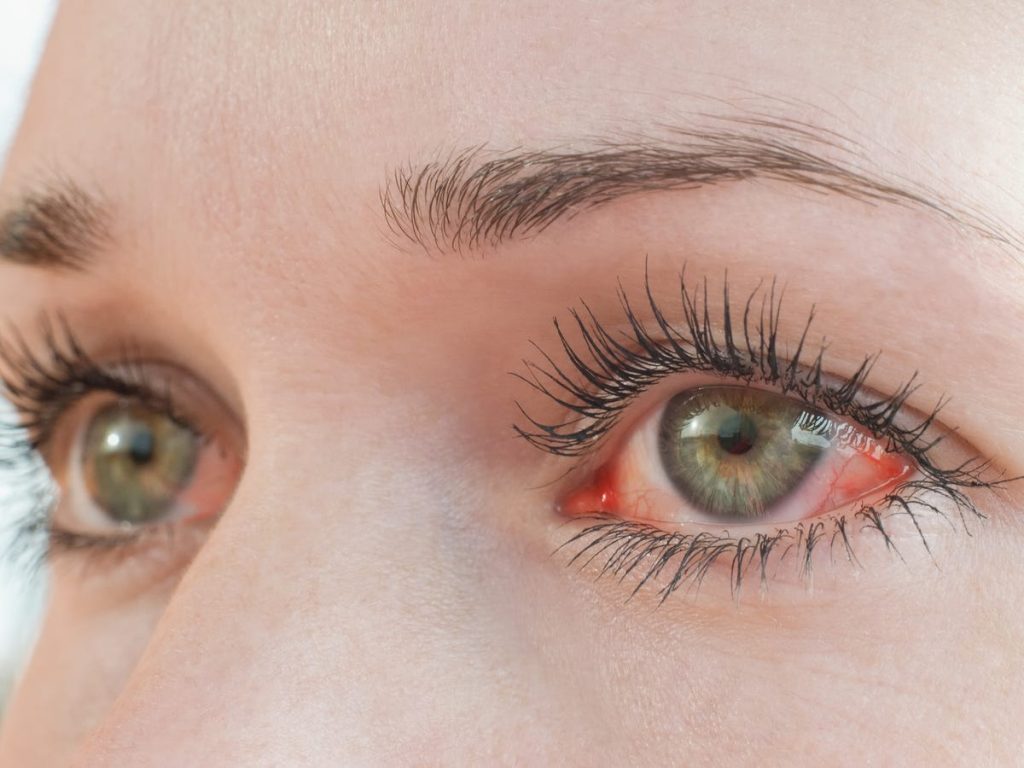
Having itchy eyes is a nuisance and disrupts your daily life, and it can be a pain to deal with. Occasional annoyance may not be a big deal, but continuous itching might be a symptom of something more serious that you need to see a doctor about. Knowing the causes and itchy eyes treatments can help you make decisions that will offer relief and keep your eyes healthy in the long term.
Common causes of itchy eyes
Itchy eyes are frequently associated with allergies. Pollen, dust mites, mold, and pet dander are often to blame for itchy eyes. Other culprits are dry eyes, infections, or spending too much time staring at a screen or in harsh environments, such as near smoke and pollution. And the source is the key to the treatment of itchy eyes.
Allergies and seasonal triggers
Itchy eyes are also a common symptom related to allergic conjunctivitis. Some seasons, notably spring and fall, pollen counts spike and allergies flare. Those who have exaggerated responses to environmental allergens may also have symptoms of pink eye, watery, or swollen eyelids.
Dry eyes and lifestyle factors
Dry eye syndrome is a growing phenomenon in our modern digital age. Long hours in front of screens, living in air-conditioned spaces, and not blinking as frequently can diminish the production of natural tears. This dryness typically feels uncomfortable and can mimic the sensation of itchy, gritty or sandy eyes.
Eye infections as a cause
Bacterial or viral infections like conjunctivitis or red eyes can cause itching as well as discharge, swelling, and redness. Unlike allergies, infections can easily affect both eyes and may need medical intervention to prevent secondary complications or permanent damage.
Contact lens-related irritation
Not only does wearing contact lenses for an extended period of time harm your eyes, to feel dry, itchy, and tired. Other problems include poor lens hygiene, old lenses, or poor fit. The accumulation of protein on the lenses may add to its irritant in the eyes. In order to prevent discomfort, lenses must be adequately cleaned, disinfected, and stored overnight or when not being worn.
Switching to a daily disposable lens, supplementing with rewetting drops, or even just taking occasional breaks from lens wear can help keep your eyes clear and reduce the risk of long-term damage.
Environmental and chemical exposure
Eye problems can be triggered even by mundane irritants like smoke, the chlorine in a swimming pool, a strong perfume, or household cleaning products. Air pollution and excessive dust can also irritate sensitive eyes. That irritation can lead to burning, itchy, and watery eyes, similar to those that occur with chemical irritation during rubber cutting. Wearing special glasses and making sure of adequate ventilation, as well as rinsing eyes with clean water after exposure, can help limit exposure.
Those with sensitive eyes should refrain from rubbing their eyes, as it can worsen inflammation. The best cure for itchy eyes includes protecting your eyes and avoiding exposure to these irritants to avoid prolonged discomfort and a trip to the doctor or pharmacist for itchy eyes treatment.
Over-the-counter itchy eyes treatment
Artificial tears, or lubricating eye drops, are frequently sufficient to relieve mild cases of itchy eyes by adding moisture. Antihistamine eye drops can combat allergy symptoms, while decongestant drops might minimize redness. Cold compresses may also help reduce irritation.
Nonetheless, these also need to be used judiciously, because the excessive use of drops can cause them to “rebound” redness or worsen dry eye. Always consult an eye doctor prior to frequent use. They can advise on the best treatment for you, and make sure your symptoms aren’t related to an underlying condition that needs medical attention.
Medical itchy eyes treatment for persistent itching
If non-prescription treatments don’t work, visit an eye doctor for your itchy eyes treatment. Stronger antihistamines, mast cell stabilizers, or steroid eye drops may be recommended by an ophthalmologist for severe allergies. If you do have an infection, you’ll need an antibiotic or an antiviral eye drop to get better.
Importance of lifestyle changes
Lifestyle changes are as important as medication. Wearing protective eyewear outside, indoor air quality, screen breaks, and cleanliness can all make a major difference in eye itch. Hydrating and eating a nutritious diet is also important for good tear production.
When to see an eye specialist
If itchy eyes are sticking around for more than a couple of days or you’re experiencing any changes in vision, pain, or strange discharge, it’s also time to visit an eye specialist. If left untreated, persistent symptoms can exacerbate the problem and potentially cause long-term damage to your vision.
Advanced eye care in Kanpur
If you are in Kanpur, take the advice of experts for itchy eye treatment. One of the best places to go is Dr. Jawahar Lal Rohatgi Memorial Eye Hospital in Kanpur. Our state-of-the-art ophthalmic centre uses the latest technology and expert specialists to offer full eye care. For regular eye exams and complex interventions, our staff delivers the highest quality results in vision care.

 Call Us Now
Leave a Reply